Boston Globe – Jackie Mclean Quintet
Jackie McLean’s alto sax soars at the Regattabar
CAMBRIDGE – To borrow a phrase from one of his classic albums, alto saxophonist Jackie McLean’s playing is one step beyond the bebop conventions his idol Charlie Parker defined, with sharper angles and an even more unsparing sound; and the band McLean is leading at the Regattabar this weekend, as good as any he has brought to town in the past decade, sustains his trademark attitude as it interprets the original material that provides a forum for the saxophonist’s searing inventions.
The speed and harmonic agility that define jazz modernism are second nature to McLean, although his urgency seems to leave his phrases scorched around the edges. Last night’s opening set was filled with compositions like his new untitled bossa nova and the waltz “Dance Little Mandissa”, where the contrast between straight swing and latin or vamp sections presented opportunities to either reinforce structural signposts or play through them. His snappish “Code Five” was indicative, with McLean unleashing swift variations on the theme while the rhythm section played stop-time figures and then unfurling lengthier ideas when the band went into 4/4 time.
McLean’s ballad playing was more deliberate if no less soulful on “I Found You” a striking piece by his former trombonist and student Steve Davis, and “I Fall In Love Too Easily.” The fabled acidic McLean tone was even too sharp for the master himself at the start of the latter; but, after a mouthpiece adjustment, he turned the standard into an acetylene torch song, taking the immediacy of hard bop to the edge of hard core.
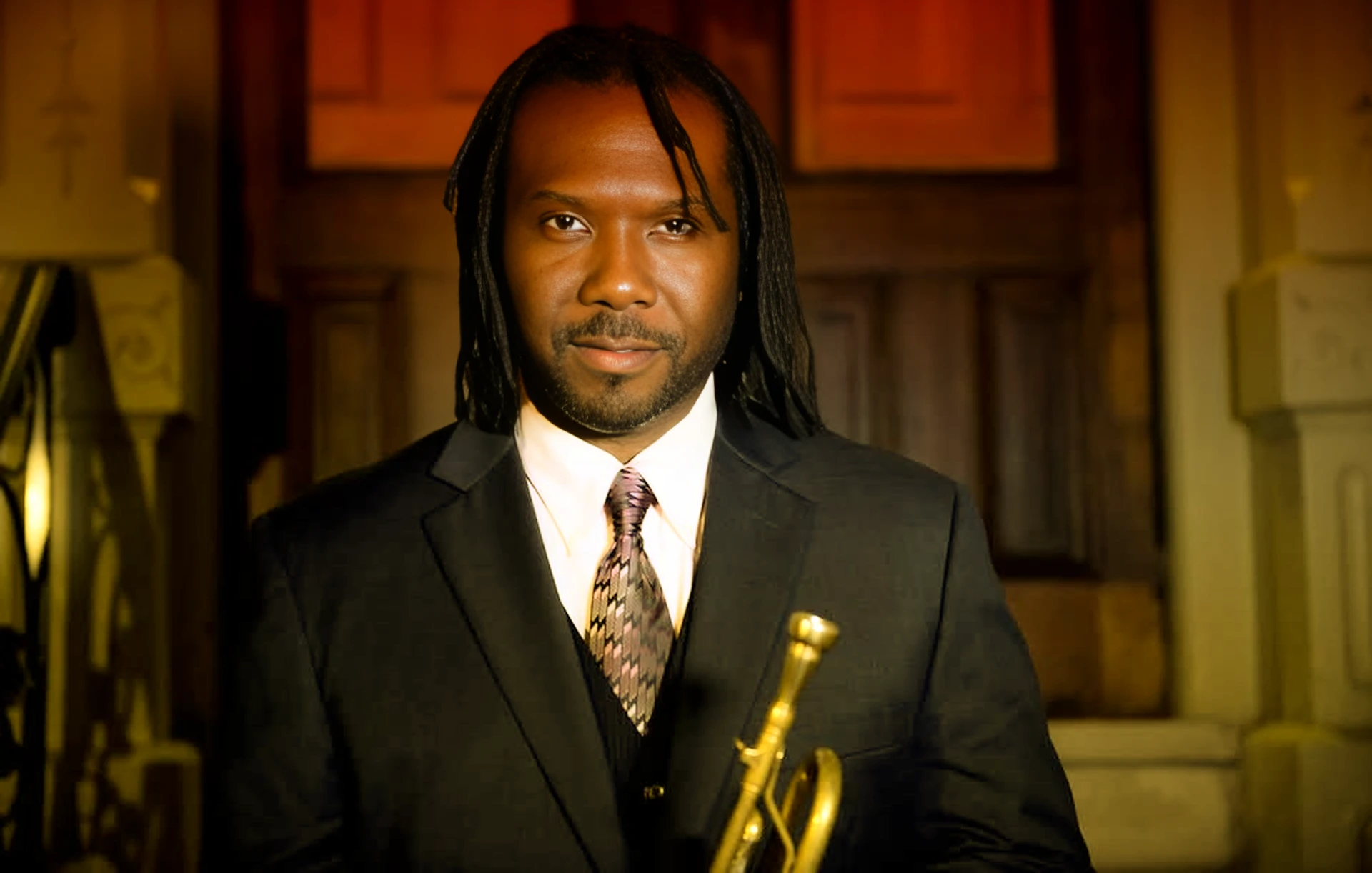
Darren Barrett is an ideal frontline partner who comfortably inhabits a role once filled by his mentor Donald Byrd. While Barrett won last fall’s Monk Institute trumpet competition by emphasizing his command of historical style, in the band he responds to the shifting, aggressive thrust of the music and delivers his most personal work to date. Barrett’s solos were unfailingly intimate, with a sound that could be mistaken for the warmer flugelhorn, yet he often followed the rhythm section to assertive and unfailingly accurate upper register climaxes without abandoning the prevailing sense of intimacy. His original “Covenant Agreement,” with shifting pedal points and a scale based bridge, and his crackling ensemble work indicated that Barrett is thoroughly in tune with McLean’s approach.
The other players operated in spirited overdrive, throwing provocative ideas at one another and the horn soloist, and pianist Alan Jay Palmer sustained tension by placing whip like right-hand figures over sustained patterns in the left hand Bassist Phil Bowler and drummer Nasheet Waits made their presence felt with vigorous supper and amazingly enough, not a single solo between them.