First One Up ~ Darren Barrett
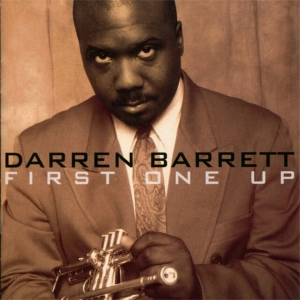 The hard bop quintet has a history of creating original sessions filled with excitement, tension, and memorable melodies. Place trumpet and tenor saxophone side by side, toss out a lyrical tune, signal the planned format, and let ‘er rip. Darren Barrett’s quintet has been working together since 1995. Their session is tight, but deliberately edgy and full of surprises.
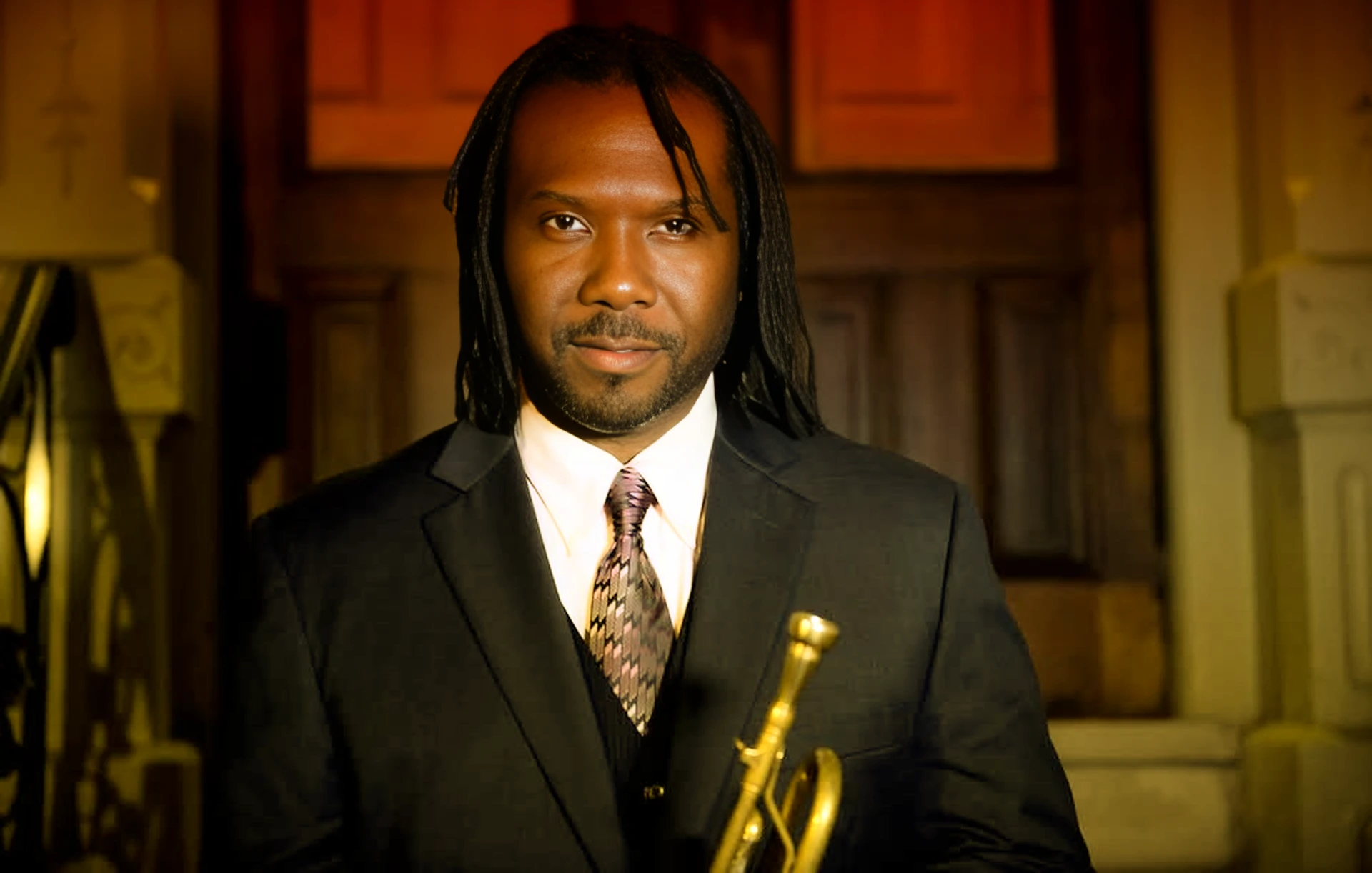
Two years ago Barrett won the 10th Annual Thelonious Monk International Jazz Competition, placing first over Diego Urcola and Avishai Cohen. The trumpet competition proved truly international in the end, as the top three performers are from different areas of the world: Barrett was born in Manchester, England and grew up in Jamaica & Toronto; Urcola is from Argentina, and Cohen is from Israel. Darren Barrett, 31, is a graduate of Boston’s Berklee College of Music, and holds two master’s degrees from Queens College in New York. Currently working with Jackie McLean’s quintet, the trumpeter cites his main influences as Miles Davis, Freddie Hubbard and Clifford Brown.
All but two tracks are Barrett’s compositions. His appreciation of the hard bop edgy oozes through everywhere. While each composition includes a melody that one can appreciate and recall well enough to whistle later, the arrangements allow considerable space for improvisation. Steve Allen’s “Impossible”, one of those tunes that you’re heard a million times but weren’t sure of the title or composer, provides the means for Barrett to display his caressing ballad style. Another ballad, “Conceta Elfreda”, is a lovely tribute to the trumpeter; forceful and bold, and yet creative in his harmonic thinking. Garrett and Barrett infuse tension by making intentional variations on the pitch. Throughout the session, a unique agitation pervades and insures that the listener remains on the edge of his seat. ~ Cadence Magazine By Jim Santella


 “Smoking little date from the trumpet vet that finds him taking his sound and fury to different places than in the past. Opening things up the way like Miles did when he opened himself up to funk, this high octane set shows us that music is more than just a bunch of notes. Opening the sound up in fine style, this set shows just how well the listener can groove without getting up from his chair. A real breath of fresh air.” ~ Chris Spector, Midwest Record
 Darren Barrett has a warm and inviting tone on his horn, hearkening back to romantic boppers like Blue Mitchell and Kenny Dorham on this percussive album with two vibraphone players in Simon Mouillier and Warren Wolf, Anthony Toth at the drums and Alexander Toth keeping things together on bass. Wolf is featured on Donald Byrd’s CTI-sounding “Fly Little Bird” and Barrett’s own “The Club Up the Street” and the feel has a nice soulful groove to it. Mouillier mixes it up with the vibes and the more wood-sounding balaphone, making for some funky grooves on “Chiapas” and “Phantom dB” while the reads of 60s hits like “My Cherie Amour” and “To Sir, With Love” are gorgeously romantic with Barrett’s wispy long tones. Unassuming in its attractive and understated allure. ~ Jazz Weekly by
 Polyester suits, platform shoes and big hairstyles were in vogue during the 1970’s when being cool meant looking the part in spite of the outlandish attire. The music was equally flamboyant and among the many bands, the Australia/ England based Bee Gees, brothers (Barry, Maurice, and Robin Gibb) produced a string of top hits at the height of the Disco era. Canadian jazz trumpeter Darren Barrett shakes the cobwebs off of a few of the group’s oldies—but still goodies—in this tribute release that brings back memories with a renewed jazz flavor.
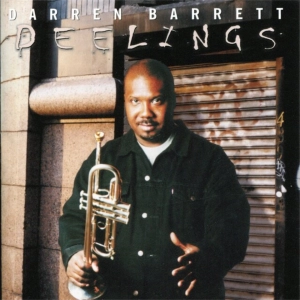 We are products of our environment. Darren Barrett chooses his. Strong influences have helped shape the trumpeter’s sound, and he seems determined to allow nothing to affect his choices unless it’s at the very top of the form. Clifford Brown’s legacy appears through two classic ballads. Barrett has refined his tone quality to the point where few can match the purity. The rest of the program consists of the leader’s hard-driving originals. Barrett’s hard-hitting, energetic approach recalls Freddie Hubbard in his prime. His exploring nature and colorful ensemble moods capture the exploits of Miles Davis, while his soulful emotional warmth and consistency derive from Donald Byrd. Barrett also exhibits overt traces from three unique artists with thom he’s studied; Clark Terry, Wynton Marsalis and Barry Harris. Donald Byrd’s protege, the 33-year-old trumpeter who won first place in the 10th Annual Thelonious Monk International Jazz Competition, holds two master’s degrees in music from Queens College in New York and is currently working on his doctorate. Born in England of Jamaican parentage, Barrett was raised in Toronto. The youngest of four brothers, he’s called by the nickname Dee. Hence, the title for his seconds album: Deelings. There’s more. Barrett has introduced one aspect of hard work with which we can all relate: overcoming obstacles. We deal with them.